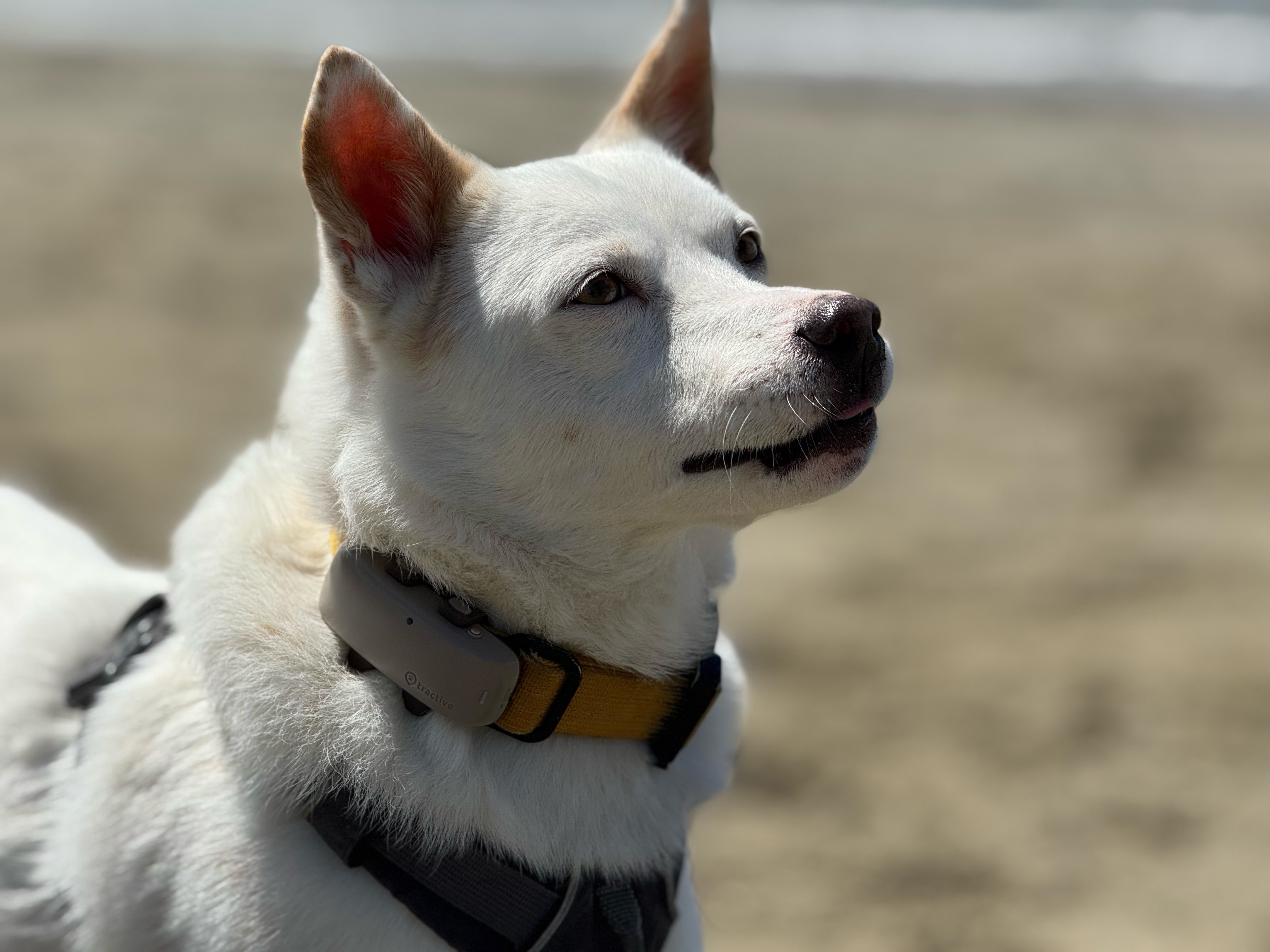
Have you ever stopped to think about how important exercise is to your dog? It's one of those things that can easily get pushed to the back burner. Life gets busy, the weather isn't great, the couch is comfortable. But here's the truth: your dog is noticing.
That dog who's chewing your furniture, barking nonstop, or just seems impossible to settle? They're not being difficult. They're communicating. And what they're saying is pretty simple: "I have a lot of energy and I don't know what to do with it."
Exercise isn't optional. It's a necessity
Dogs are not designed to sit still all day. For adult dogs especially, daily exercise is essential, not just for their physical health, but for their mental wellbeing too. Think of your dog as a furry child, because honestly, that's what they are. And just like children, they need to move, explore, and burn off energy to function at their best.
The good news is you don't need to become a marathon runner. The general rule of thumb is at least 30 minutes of exercise per day for most adult dogs. But as with most things in the dog world, it's not quite one-size-fits-all.
Breed matters, a lot
A Chihuahua and an Australian Shepherd are very different animals with very different needs. Toy breeds and older dogs can absolutely get too much exercise. Pushing them too hard isn't dedication, it's a risk. On the other end of the spectrum, herding and working breeds like Aussies, Border Collies, and Huskies weren't bred to lounge around the house. They were bred to work, and if you don't give them an outlet, they'll find one. Usually involving your baseboards.
🐕 High Energy Breeds
- Australian Shepherds
- Border Collies
- Huskies & Malamutes
- Belgian Malinois
- Jack Russell Terriers
🐩 Lower Intensity Breeds
- Chihuahuas & toy breeds
- Bulldogs & Basset Hounds
- Senior dogs (any breed)
- Brachycephalic breeds
- Dogs with health conditions
Working breeds need "jobs," not just walks
For herding and working breeds, physical exercise alone often isn't enough. These dogs were literally bred to think, to problem-solve, make decisions, and stay mentally engaged for hours at a time. A 30-minute walk might tire their body but leave their brain completely wired.
What they need is mental stimulation, situations that make them think. This can look like:
- Puzzle toys and slow feeders
- Obedience training and trick sessions
- Nose work and scent games
- Agility or flyball classes
- "Find it" games around the house or yard
Training sessions count as exercise! A focused 15-minute training session can mentally exhaust a working breed more than a 45-minute walk. Use it to your advantage.
What about puppies?
Consistency beats intensity
One thing that often trips people up: the weekend warrior approach. Skipping walks all week and then taking a long hike on Saturday might seem like it evens out, but for dogs it can actually cause injury. A dog who isn't conditioned for long distances can strain muscles, wear down paw pads, or exhaust themselves in ways that take days to recover from.
Daily, consistent movement, even if it's just a 20-minute neighborhood walk, is far better for your dog than sporadic intense outings.
- Daily walks beat occasional long hikes for conditioning
- Puzzle toys and training count toward activity time
- Sniff breaks during walks are mentally enriching. Don't rush them
- Watch for signs of fatigue: excessive panting, lagging behind, lying down mid-walk
Destructive behavior, excessive barking, hyperactivity indoors, inability to settle, and attention-seeking at odd hours are all common signs that your dog's exercise needs aren't being met. If your dog just can't find their zen, start there.
The bottom line
Exercise isn't a luxury for dogs. It's a basic need, right alongside food, water, and love. A well-exercised dog is a calmer dog, a healthier dog, and honestly, a much easier dog to live with. The effort you put into their daily movement pays off in every other part of their behavior.
And if you're not sure where to start, or your dog has specific health considerations that affect how much exercise they can handle, that's always worth a conversation with your vet. Every dog is different, and the goal is to find what works for yours.
We carry a great selection of puzzle toys, slow feeders, and enrichment tools that can help with mental stimulation, especially for those high-drive breeds. Come in and ask us what we'd recommend for your dog's personality and energy level. We love this stuff.