
Most pet owners know to flip the bag over and check the ingredient list. And most have heard the advice: look for a meat source as the first ingredient. Chicken at the top? Great sign. But here's what almost nobody talks about. That ingredient list isn't showing you what's in the food. It's showing you the recipe. And recipes get cooked.
Once you understand what happens between the recipe and the finished kibble, the whole label starts to look very different.
The ingredient list is ordered by weight, before cooking
By law, pet food manufacturers list ingredients in order of weight. The heaviest ingredient goes first. That part most people know. What most people don't know is that this weight is measured before the food is processed. Before the heat. Before the cooking. Before anything is done to it.
That distinction matters enormously, because different ingredients contain very different amounts of water.
- Whole meats (chicken, beef, lamb) contain around 70–80% moisture
- Plant-based ingredients (peas, lentils, sweet potato) contain around 10–15% moisture
Now apply heat.
What cooking does to the ingredient list
Most dry pet foods are made through a process called extrusion, which involves high heat and pressure. That heat cooks out the moisture. A whole chicken that weighed 100 grams going into the process comes out weighing roughly 15–20 grams. It lost about 80% of its mass, because that mass was water.
The peas and lentils sitting further down the list? They lose much less. They were already mostly dry. They shrink by maybe 10–15%. They end up weighing almost as much as they did before cooking.
The ingredients that were listed in order before cooking are no longer in that order after cooking. They've shifted, and the shift can be dramatic.
Let's look at a real example
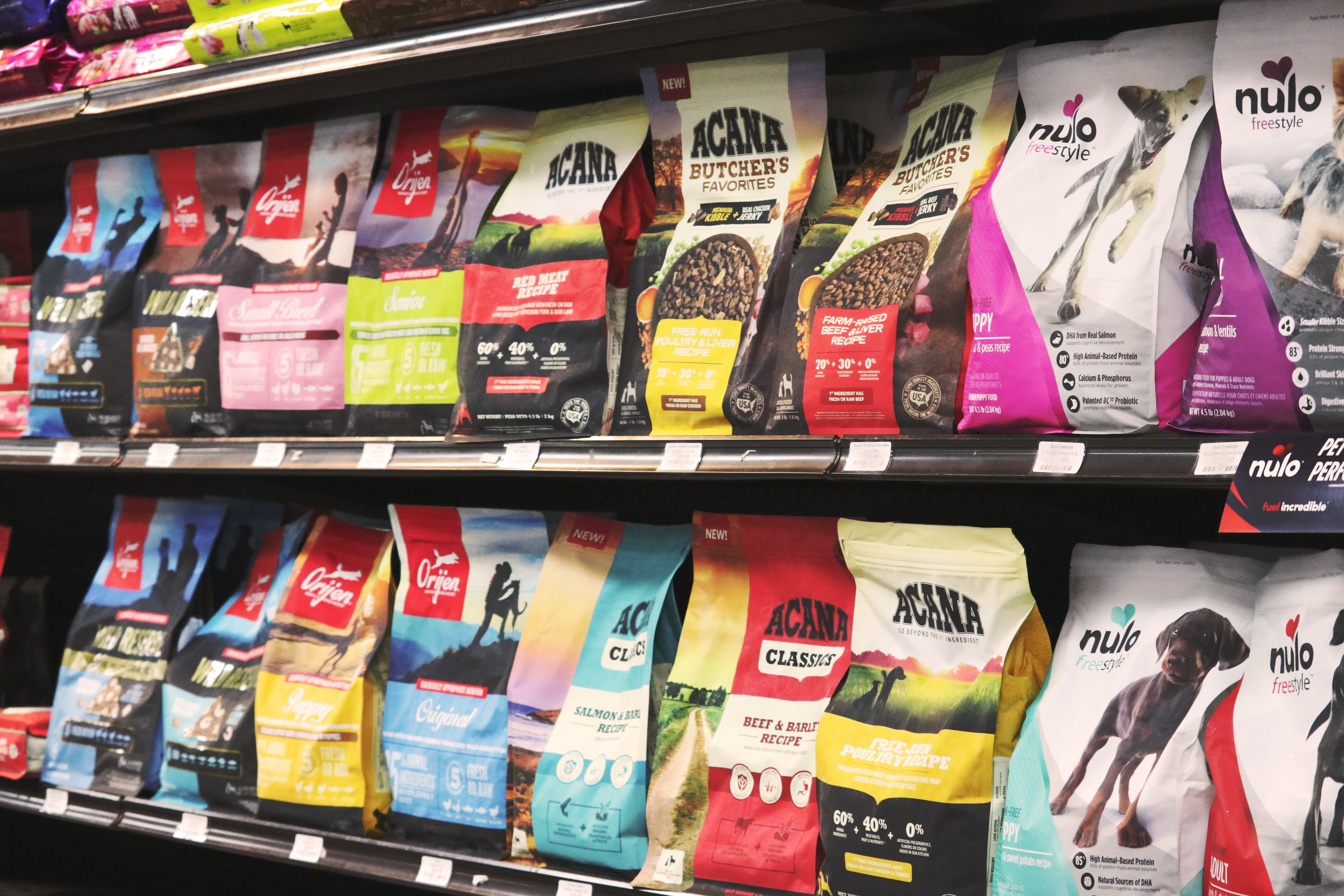
Here's a first-line ingredient panel that looks impressive at first glance:
| 1 | Chicken | Looks great |
| 2 | Peas | Plant |
| 3 | Lentils | Plant |
| 4 | Sweet Potato | Plant |
| 5 | Canola Oil | Oil |
Chicken is first. Looks like a protein-forward food, right? Now let's think about what happens after cooking.
| 1 | Chicken | Meat |
| 2 | Peas | Plant |
| 3 | Lentils | Plant |
| 4 | Sweet Potato | Plant |
| 5 | Canola Oil | Oil |
| 1 | Peas | Moved up |
| 2 | Lentils | Moved up |
| 3 | Sweet Potato | Moved up |
| 4 | Chicken | Dropped |
| 5 | Canola Oil | Oil |
The primary protein source in that bag isn't chicken. It's peas and lentils. The chicken is still there, but it's no longer the dominant ingredient. The label wasn't lying, exactly. But it wasn't telling the whole story either.
Now look at a bag that leads with chicken meal
"Chicken meal" sounds less appealing than "chicken", it sounds processed, industrial even. But here's the key: a meal is what you get after the moisture has already been removed. Chicken meal is essentially pre-cooked, dried, and concentrated chicken. Its moisture is already gone before it ever hits the ingredient scale.
| 1 | Chicken Meal | Already dried |
| 2 | Chicken | Whole meat |
| 3 | Peas | Plant |
| 4 | Lentils | Plant |
| 5 | Sweet Potato | Plant |
When this food goes through the cooking process, chicken meal doesn't shrink the way whole chicken does. It stays near the top. The primary protein source in this bag really is chicken , even after everything is said and cooked.
A food listing "chicken meal" first is often a stronger sign of animal-based protein content than a food listing "chicken" first, because the meal has already had its moisture removed, so it holds its position on the label after cooking.
Why does the protein source matter?
Cats are obligate carnivores. Their bodies require animal protein to function. Dogs are highly adapted to animal protein as well and thrive on it. Plant proteins like peas and lentils do contain protein, but they're not the same biologically. The amino acid profiles differ, and pet digestive systems are built around animal sources first.
A food where the real post-cooking protein is coming from peas and lentils isn't necessarily harmful, but it is meaningfully different from a food where it's coming from chicken or beef. And if you're choosing between the two based on the label alone, you might be choosing the wrong one without knowing it.
This is just the beginning
The moisture-shifting effect is one of the most important things to understand about dry pet food labels, and it's almost never explained. But it's only one piece of the puzzle. The ingredient list doesn't tell you about ingredient quality, sourcing, processing temperatures, or digestibility. There's a lot more beneath the surface.
For now though, next time you're reading a bag of kibble, ask yourself: is that meat listed first because it's really the dominant ingredient, or is it just the heaviest thing they weighed before the oven turned on?
That question alone will change how you shop.
Our team at Wishbone lives and breathes this stuff. Bring in the bag you're currently using and we'll walk you through the label together, no pressure, just good honest advice. Find us in Freedom or Santa Cruz Westside.